



Initially, blockchain technology was developed to provide digital systems with the ability to be transparent, secure from tampering, and resistant to alteration. The decentralized structure of blockchains offered attackers fewer opportunities to tamper with the integrity of records, leading to the adoption of blockchains as a major component of cryptocurrency, decentralized financial services (DeFi), and current Web3 ecosystems.
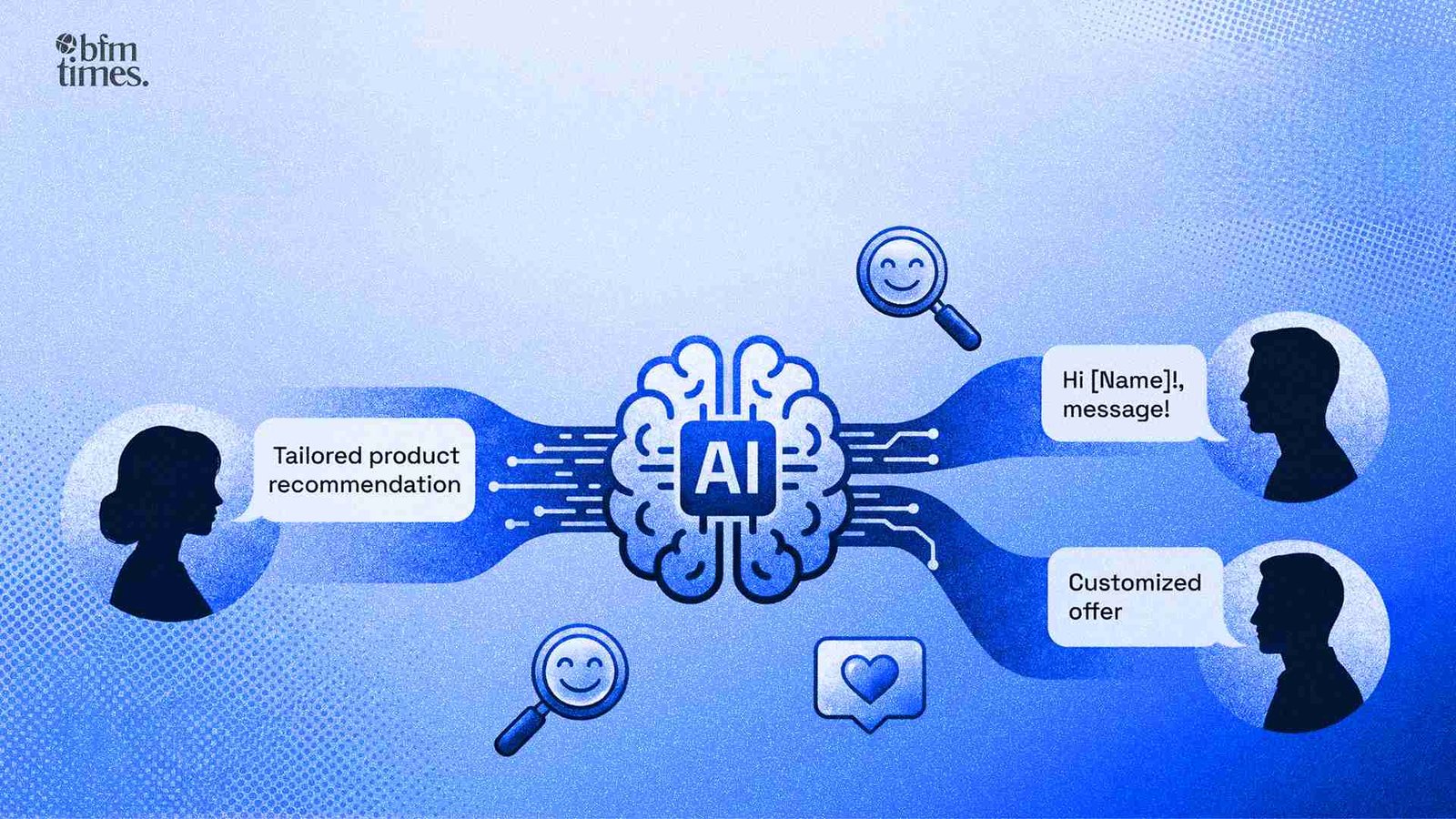
However, as blockchain adoption continues to grow, cyber threats are also growing increasingly sophisticated and difficult to detect using only manual methods. As a result, AI blockchain security is fundamentally changing how the industry operates. Through the use of artificial intelligence (AI), blockchain platforms are transitioning from traditional reactive defense strategies to proactive, intelligent, and predictive protection systems capable of monitoring activity in real-time and preventing future attacks from causing harm.
The combination of AI and blockchain represents an extremely powerful security paradigm. The blockchain provides immutable and transparent data, while artificial intelligence brings automation, behavioral analysis, and predictive decision-making capabilities. Instead of solely relying on manually reviewing records or applying rigid security rules, AI blockchain security systems continually learn from the activity present within the network and adapt their strategies according to new attack patterns that emerge. This innovation not only enhances fraud prevention but also strengthens wallet protection and improves cybersecurity overall for blockchain applications and cryptocurrency-based companies.
Understanding the Role of AI in Blockchain Security
However, the development of decentralized finance and cryptocurrency markets has increased attacks on blockchain ecosystems. Conventional cybersecurity solutions are not capable of spotting unusual behavior in a distributed network because of the rapidity and massiveness of blockchain transactions. That is why it has become imperative to use AI blockchain security.
The application of AI blockchain security is based on identifying the behavior of a blockchain transaction, wallet activity, network communications, and patterns of previous attacks. Machine learning can help detect suspicious actions that could be a sign of fraud schemes, phishing attacks, or smart contract hacking. Moreover, as opposed to rule-based cybersecurity systems, the AI solution evolves and improves with time.
One more important feature is the ability to work with large amounts of transactional data. As mentioned earlier, blockchain networks produce millions of transactions every second. In this regard, manual cybersecurity monitoring becomes irrelevant for big decentralized ecosystems. AI can help to deal with such a problem effectively.
Real-Time Threat Detection and Fraud Prevention
Instant detection of cyber attacks is one of the main benefits of using AI blockchain security. Attacks on cryptocurrencies happen very quickly, and even a slight delay of several seconds could cause huge monetary loss. Continuous analysis of the activity and comparison with previous patterns allows detecting any suspicious behavior in real-time and alerting stakeholders.
Machine learning algorithms help detect any deviation from the pattern in wallet activity, transactions’ flow, and attempts to log into accounts. Thus, for example, an AI system can detect any suspicious activities related to a particular wallet, such as transferring large sums of cryptocurrency to unknown addresses or interacting with strange smart contracts. Moreover, AI enhances the process of anti-money laundering checks through tracking the connection between transactions.
Phishing attack prevention is another area where AI solutions have proved effective since they can evaluate the authenticity of suspicious links and wallet requests before users act. This approach significantly decreases the risk of compromising personal information and getting your wallet hacked. Advanced AI blockchain security systems are also improving accuracy by reducing false positives, which helps security teams focus on genuine risks instead of harmless activities.
Automated Smart Contract Auditing
Smart contracts are one of the most important elements of blockchain networks. They are the self-executing programs responsible for the proper functioning of decentralized finance protocols, NFT marketplaces, and numerous Web3 solutions. Unfortunately, vulnerabilities in the code of such programs often result in serious problems. That is why the use of AI blockchain security has become particularly important when auditing smart contracts.
Using AI to perform smart contract audits before launch allows developers to identify potential flaws in the program code that they might have overlooked otherwise. For instance, AI technologies can recognize reentrancy attacks, integer overflows, access violations, or any other issues related to the logic of decentralized software. The importance of using AI in automated smart contract auditing is particularly high for Ethereum-based initiatives due to the volume of new smart contracts launched daily.
Moreover, this combination of automation and intelligent analysis makes AI blockchain security an essential part of modern decentralized development.
AI and DAO Security
Governance communities within developing blockchain systems have experienced explosive growth as decentralized autonomous organizations (DAOs). Governance through community-based consensus has proven a welcome alternative to traditional forms of governance, but as with anything new, immediate governance challenges stem from the introduction of decentralized decision-making processes. These include security threats posed by fraudulent voting, manipulation of legitimate transactional records, and governance assaults.
AI blockchain security is providing innovative ways to enhance governance security within decentralized autonomous organization systems while also helping DAOs identify and respond to emerging governance challenges.
In addition, AI can provide for a more effective evaluation of the potential risk associated with governance proposals. By analyzing any number of risk factors associated with a portion of a proposal concept, AI is able to identify and advise on areas of concern associated with a proposal, without the involvement of any human parties. AI will flag those proposals that may, if approved, have the potential for harmful impacts to the DAO community at large. Therefore, AI blockchain security enhances the DAO community’s ability to operate within a safe and informed governance environment through better methods of monitoring and assessing.
Enhancing Data Privacy and Integrity
Blockchain platforms are inherently open; however, the issue of privacy continues to be a significant one for companies dealing with confidential data. AI and blockchain technologies, when used in combination, can revolutionize data handling security and become increasingly effective compared to previously employed solutions.
The use of AI blockchain security can aid in data de-identification processes, stripping personal information out of sensitive datasets before storage or transfer on blockchain networks. Such actions can ensure GDPR compliance while preserving the integrity and transparency of blockchain records. Moreover, federated learning platforms have become increasingly popular as they enable AI models to learn through decentralized networks without revealing user information.
Another promising area is decentralized AI training algorithms. Unlike previous centralized models, which required all training information to be stored in central servers, AI blockchain technology allows distributing computations on secure nodes. It mitigates data manipulation risks while ensuring proper monitoring of datasets through AI blockchain security measures.
AI-Powered Security Tools Versus Offensive AI
While artificial intelligence is enhancing blockchain security, the criminals are taking advantage of the technology to refine their attacks. The competition between AI used by hackers and defenders in the field is likely to shape the future of cybersecurity.
Using artificial intelligence technologies, cybercriminals are capable of scanning blockchains for weaknesses in record time compared to traditional approaches. Automated phishing campaigns, spoofed communications, and weak smart contract identification are among the applications that are available today. Additionally, some hackers have developed AI algorithms for finding zero-day exploits before they can be patched by the organizations.
This scenario means that the cybersecurity environment has evolved and requires AI blockchain security mechanisms that can continuously evolve alongside the attacks. As a result, modern security models based on artificial intelligence have become adaptive enough to analyze the attacker’s behavior and respond to it instantly. The learning capabilities of AI allow for dynamic adjustment and improvement of threat detection accuracy.
The competitive nature of cyberattacks based on artificial intelligence may continue escalating in the future. Therefore, cybersecurity solutions need to keep innovating at a fast pace to protect blockchains.
Benefits of AI Blockchain Security
AI blockchain security enjoys more adoption due to several practical strengths, which provide better protection to decentralized networks.
- Faster fraud detection and response times
- Continuous monitoring of blockchain activity
- Improved scalability for large decentralized networks
- Reduced human error during security analysis
- Smarter automation for smart contract reviews
- Better blockchain cybersecurity across Web3 ecosystems
- Enhanced predictive analysis for future threats
Such advantages are assisting crypto exchanges in establishing secure ecosystems that can effectively deal with contemporary cyber threats.
Challenges and Risks
However, despite all these benefits, there are issues with AI blockchain security that businesses should not neglect. First, AI bias is a common problem. AI systems are extremely dependent on training data, and the use of faulty data sets leads to inaccurate predictions or risk assessment.
Moreover, there is always an issue of privacy. Due to the extensive amount of data necessary for AI operation, the regulatory aspect becomes important. Additionally, implementation costs may be substantial, particularly for small-scale blockchain startups.
The problem is also associated with over-dependence on automation. Even though AI helps increase efficiency, human involvement in the process is important. Faulty predictions might accidentally block legitimate transactions or overlook very sophisticated cyber-attacks. For this reason, collaboration between humans and technology is crucial for blockchain cybersecurity.
Conclusion
Indeed, the technology has revolutionized not only how digital transactions and distributed systems are conducted but also how they can be protected against an increasing number of cyber attacks. That is why AI blockchain security is quickly emerging as one of the most essential technological breakthroughs in the field. Through leveraging blockchain transparency, intelligent automation processes, prediction, and continuous monitoring, it is enabling organizations to establish a higher level of security.
AI blockchain security will enable them not only to protect their assets and operations but also to prevent fraud, conduct smart contract audits, and even ensure that decentralized autonomous organization governance systems are safe from cyberattacks. Though several issues should be addressed before adopting such a technology (AI bias, privacy considerations, and complexities involved in implementation, among others), its long-term potential cannot be overestimated.
Disclaimer: BFM Times acts as a source of information for knowledge purposes and does not claim to be a financial advisor. Kindly consult your financial advisor before investing.